

Monsanto has for now abandoned the conquest of Europe |
|


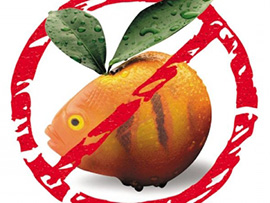 The American mega-corporation Monsanto and their genetically modified seeds are faced with ever stronger resistance in the European market.
Carefully planned lobbying did not help in a clash with millions of citizens.
"We will not lobby for cultivation in Europe anymore. It is counterproductive to fight against windmills, „said disappointed Brandon Mitchener of the European branch of Monsanto.
When he said “windmills”, he meant massive resistance of the consumer towards foods with GMO ingredients. And it seems that many European politicians joined in the resistance.
Mitchener said that the European market firmly rejects genetically modified food and that the company announced the withdrawal and termination of lobbying to import their products.
The EU Consumer Protection Office said that no product that is positively tested for GMO can be sold on the EU market.
Successful march against Monsanto
Monsanto has recently been the target of widespread protests called "March against Monsanto" when people in more than 400 cities in 52 countries protested against the company, its GMO seeds and its influence on world governments.
The march was organized in seven Croatian cities, and it has been appropriately followed up by the discovery of large amounts of unauthorized genetically modified strains of wheat, which was found in Oregon.
After the discovery some East Asian countries terminated their contract on the import of wheat from the United States, and as many as 27 members of the European Union has sought increased control of imports from the U.S.
Customers "do not need declaration"?!
One of the requirements of the protesters was the labeling of GMO foods.
Protesters demanded that the GMO food ingredients be clearly displayed on the label, so that consumers may decide they want to buy that product or not.
However, such a solution is not acceptable to GMO industry, because they are aware that consumers read the declarations and usually choose the product without GMO components.
Monsanto has therefore invested additional efforts in persuading appropriate bodies that labeling would be too expensive and that consumers do not need to know what kind of product they are buying, because "GMO food is, after all, safe for human consumption."
In the EU, however, it is mandatory to label GMO ingredients if they exceed particular limit.
Moving to the defensive
In the light of recent failures, Monsanto does not intend to apply for the approval of new genetically modified crops, and will give up and the new field trials with GMO seeds.
They will focus, according to their statements, only on the conventional corn, rapeseed and vegetable seed.
Monsanto Europe's biggest competitors - Bayer CropScience, BASF and Syngenta – have already withdrew from the GMO crops-related affairs in Germany and many other EU countries.
Part of countries still gave in
Monsanto’s defeat is still only partial.
Mitchener has confirmed that Monsanto plans to continue to sell their seeds in Spain, Portugal and Romania, since lawmakers and consumers there are less concerned about GMO crops.
Knowing the ambitions of large corporations, it is certain that the company is not done with lobbying in the EU and that pressures will continue, probably out away from the public eye.

Liked the article?
Share it with your friends!
